


DC fast charging seems like a dream—plug in, top up, and go. But what if this convenience quietly costs you battery life and long-term performance?
DC fast charging should be used sparingly because it increases battery wear, generates more heat, and can reduce long-term EV battery capacity.
Most EV drivers don’t need fast charging 1 every day. And while it’s helpful during road trips 2 or emergencies, using it too often can cause issues that are easy to overlook at first but hard to reverse later.
Why is fast charging not recommended?
Fast charging may be quick, but it isn’t always kind to your EV’s battery.
Fast charging is not recommended for regular use because it causes extra heat and chemical stress, leading to faster battery wear and reduced capacity over time.
The Heat Problem
Batteries don’t like heat. DC fast charging pushes a lot of current into your battery quickly. This creates heat. Over time, repeated heat exposure wears down the battery’s internal structure. This wear is invisible in the short term but adds up. Lithium plating, dendrite growth 3, and internal shorts are risks in extreme cases.
| Charging Method | Average Charging Time | Heat Generated | Battery Stress |
|---|---|---|---|
| Level 1 (AC) | 12–24 hours | Low | Low |
| Level 2 (AC) | 4–8 hours | Moderate | Moderate |
| DC Fast (DCFC) | 30–60 minutes | High | High |
Temperature extremes make things worse. Charging during very cold or very hot weather, or when your battery is already near empty or almost full, adds extra stress. Some EVs use thermal management systems to limit this—but not all, and even the best systems can’t prevent it completely.
What is the disadvantage of DC charging?
DC charging delivers speed, but with speed comes compromise.
DC charging has disadvantages like higher battery stress, infrastructure costs, and limited compatibility with home use.
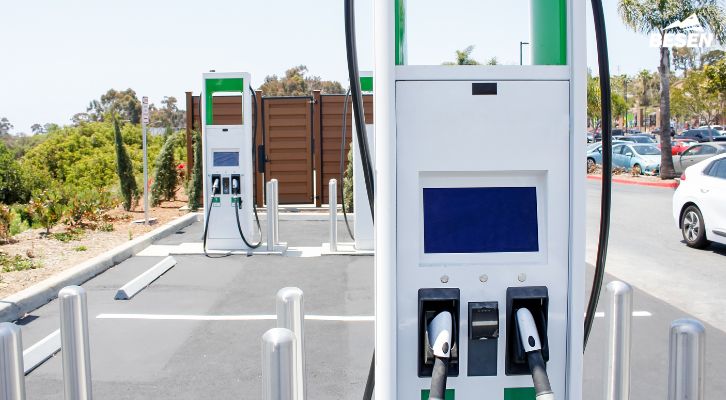
Cost and Complexity
Fast chargers aren’t just expensive to use—they’re expensive to build. They need powerful converters, advanced cooling systems, and a stable high-voltage grid connection. Most homes can’t support that. And in places with older or weaker grids, installation is difficult and expensive.
For personal use, a Level 2 charger at home provides a better balance. It’s slower, but easier on the battery and wallet.
| Feature | Level 2 Charging | DC Fast Charging |
|---|---|---|
| Installation Cost | Low to Medium | High |
| Maintenance Required | Low | High |
| Grid Demand | Moderate | Very High |
| Suitable for Home Use | Yes | Rarely |
Is fast charging killing the battery?
It might not kill your battery overnight—but it’s definitely not helping.
Fast charging increases the rate of battery degradation due to heat and chemical imbalance, which can lead to shorter battery lifespan if used frequently.
What Studies Show
Research from institutions like Idaho National Laboratory shows that frequent DC charging can increase battery wear 4. Their tests found slightly higher degradation rates in vehicles that were fast-charged regularly—27% capacity loss 5 versus 24.5% over the same test cycle.
That may not sound like much, but for fleet operators, long-distance drivers, or resale value watchers, even a small difference matters. And over 5–10 years, that adds up to real performance loss.
User Habits Matter
If you only fast charge once a week, your battery may last just as long as someone who never does. But daily fast charging will eventually take its toll. It’s like running your phone’s battery from 0 to 100 at turbo speed every day—it gets hot, it ages faster, and it won’t last as long.
Is it better to fast charge or slow charge?
Slow and steady wins the race—especially with EV batteries.
Slow charging is better for battery health because it generates less heat and allows the battery to balance more effectively, leading to longer life.
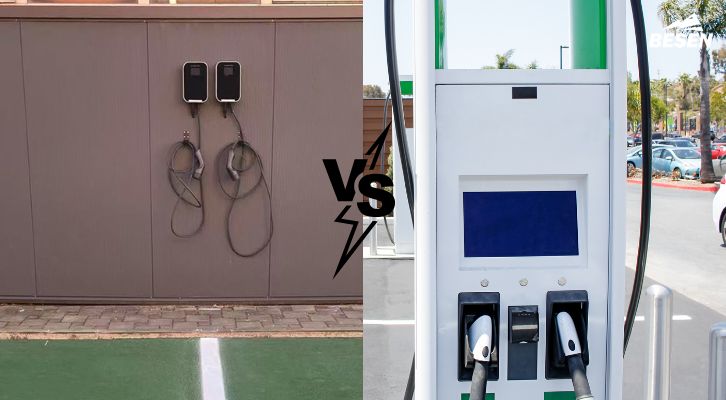
When Speed Isn’t Worth It
Most EV drivers charge at night, while sleeping. If you don’t need a full charge in 30 minutes, why put your battery through extra stress? Level 2 AC charging works quietly in the background, giving your battery time to “breathe.”
With Level 2, your car’s battery management system can spread the energy load more evenly. This helps with balancing cells, reducing temperature spikes, and preserving long-term efficiency.
| Use Case | Recommended Charging |
|---|---|
| Daily commuting | Level 2 AC |
| Road trips / emergencies | DC Fast Charging |
| Long-term vehicle storage | Level 1 or 2 AC |
| Hot/cold weather conditions | Avoid fast charging |
Is it bad to DC charge EV to 100%?
Yes—especially with fast charging, hitting 100% is not ideal.
Charging to 100% with DC can add stress and heat right when the battery is most sensitive, potentially shortening its lifespan.
The 80% Rule
Most EVs today recommend stopping DC charging at 80%. That last 20% takes longer, generates more heat, and doesn’t add much practical range in return. Topping up to 100% regularly, especially with fast charging, forces the battery to accept energy at a time when resistance is high and cooling is critical.
Also, regenerative braking might not work well with a full battery, reducing efficiency. And if you’re not using that full charge right away, the energy just sits there, increasing stress.
Best Practice
Use DC fast chargers to get from 10% to 80% when you’re on the road. Let Level 2 take care of 80% to 100% if you really need a full battery. Or better yet, stop at 90%, unless your trip demands it.
Conclusion
DC fast charging is convenient, but it’s not a habit you want to build. For daily use, slow AC charging keeps your battery healthier, your costs lower, and your EV running longer.
- Understanding the effects of fast charging can help EV drivers make informed decisions about their charging habits and battery health.[↩]
- Planning your EV road trips effectively can enhance your travel experience and ensure you have access to charging stations when needed.[↩]
- Learning about dendrite growth can enhance your knowledge of battery technology and its potential risks.[↩]
- Exploring battery wear can provide insights into maintaining optimal performance and extending the lifespan of your electric vehicle.[↩]
- Learning about capacity loss can help you understand the factors that influence battery efficiency and vehicle resale value.[↩]

