


As winter approaches, Tesla owners and fleet managers face the challenge of keeping their electric vehicles (EVs) charged and ready to go despite cold temperatures. Charging a Tesla in cold weather requires some extra attention to ensure your battery performs efficiently. Whether you’re driving a Tesla for personal use or managing a fleet of them, these winter charging tips will help you avoid common issues and keep your vehicle running smoothly during the cold months.
How Cold Weather Affects Tesla Batteries and Charging
Tesla’s batteries, like any lithium-ion battery, are highly sensitive to temperature. Cold weather can reduce battery efficiency, which translates into a shorter driving range and slower charging times. In extreme cold, your Tesla may need more time to reach an optimal state of charge (SOC), which can be frustrating if you’re in a hurry.
When the temperature drops below 50°F (10°C), the electrochemical processes in the battery slow down, reducing the vehicle’s efficiency. This means that your Tesla will draw more energy to maintain a comfortable cabin temperature, and it will take longer to charge. If the battery becomes too cold, charging may not proceed at all until it warms up sufficiently. This is why it’s important to know how to precondition your Tesla in advance of charging.
Winterize Your Tesla for Cold Weather
Before diving into charging tips, it’s essential to make sure your Tesla is fully prepared for winter conditions. Here are a few general steps to winterize your Tesla and ensure that it can handle the colder weather:
- Tire Maintenance:
Cold weather can cause tire pressure to drop, reducing efficiency and performance. Tesla’s Tire Pressure Monitoring System (TPMS) will alert you when your tire pressure is low, but you should check it manually to ensure it’s at the recommended level, especially before long drives. - Winter Tires:
Consider switching to winter tires, which provide better traction and control in snow and icy conditions. These tires are designed to remain flexible in cold temperatures, offering superior grip compared to all-season tires. - Cabin Preconditioning:
If you’re planning a trip in colder weather, it’s a good idea to precondition the cabin while the car is still plugged in. This allows you to heat the interior without draining the battery, ensuring that the vehicle starts with a full charge.
Charging Tips for Tesla in Cold Weather
- Use the Tesla Mobile App to Precondition the Battery
Before charging your Tesla in cold weather, use the Tesla mobile app to precondition the battery. Tesla cars have a feature that allows the battery to warm up before charging, optimizing efficiency and reducing the amount of time it takes to charge. The app can be set to automatically warm the battery, especially if you’re in an area with frequent cold weather. This is one of the best ways to ensure the vehicle starts charging as soon as you plug it in.
- Avoid Charging in Extreme Cold
If possible, avoid charging your Tesla when the battery is extremely cold. When temperatures fall well below freezing, the battery will take longer to warm up, and the charging process will be slower. If your Tesla’s battery is extremely cold, it may not even accept a charge until it reaches a more optimal temperature. If you’re storing your Tesla in a garage or parking it overnight, make sure it’s in a space that is as warm as possible.
- Charge to 80% for Daily Use
In colder weather, you don’t need to fully charge your Tesla every time. In fact, it’s often better to charge your Tesla to around 80% for daily driving. This will preserve the longevity of the battery and ensure you’re ready for any unexpected temperature drops. Charging to 100% should be reserved for long trips or when you’re in need of maximum range.
- Plug in Your Tesla Even When Not Charging
One of the best ways to keep your Tesla’s battery at an optimal temperature is to plug it in even when you’re not actively charging. Tesla’s battery management system will ensure that it doesn’t overcharge but will maintain the battery at an ideal temperature to handle the cold weather. This is especially helpful during prolonged periods of cold weather or when you’re not planning to drive the car for a few days.
- Use Superchargers During the Day
If you need to use a Supercharger, try to do so during the daytime. Cold temperatures at night can cause the battery to be less efficient, and charging at a Supercharger station in the daytime when the temperature is slightly higher may help the charging process go faster. Additionally, the battery is likely to be in better condition after you’ve driven your car for a while and allowed it to warm up naturally.
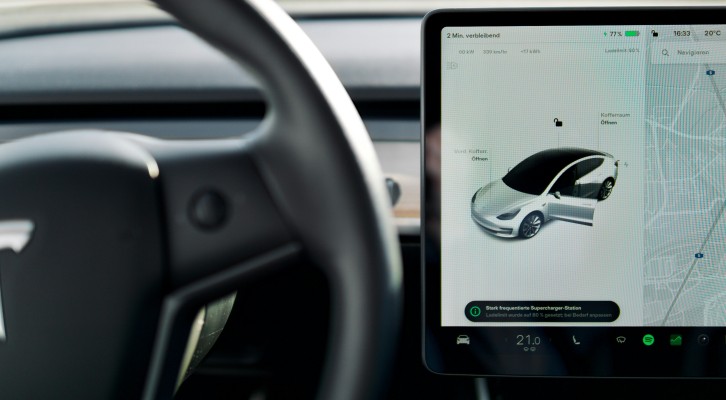
Understanding the Impact of Tesla’s Range in Cold Weather
One of the most noticeable effects of winter weather on your Tesla is the impact on range. In cold temperatures, the vehicle’s efficiency decreases, and you may notice that your Tesla doesn’t go as far on a full charge as it does in warmer weather.
A Tesla’s range in winter can drop by up to 40% depending on how cold it is and the specific model of Tesla you own. This happens because of a few key factors:
- Increased energy use for cabin heating: Unlike gas vehicles, electric cars rely on their battery to power the heater. This can use a significant portion of the battery’s energy in cold weather.
- Slower charging rates: As mentioned earlier, charging speeds are slower in extreme cold, making it take longer to recharge your vehicle fully.
Understanding this drop in range is important so that you can plan accordingly for long trips and ensure you have enough charge to make it to your destination.
How to Maximize Tesla’s Range During Winter?
While cold weather can reduce range, there are several strategies that can help you maximize your Tesla’s driving distance even during winter:
- Use Energy Saving Mode:
Tesla vehicles come with an Energy Saving mode, which reduces power consumption by dimming lights, turning off certain non-essential systems, and adjusting other settings. Make sure to enable this mode when driving in cold weather. - Drive Smoothly and Conservatively:
When it’s cold outside, your car needs all the energy it can get. Driving smoothly and avoiding rapid acceleration or heavy braking will help reduce energy consumption. Try to keep your speed at a moderate level to conserve battery life. - Preheat the Cabin While Plugged In:
Preheating the cabin before you start driving ensures that you don’t waste battery energy on heating the car during your drive. This is especially useful if you’re leaving a cold garage or parking area. - Minimize the Use of Climate Control:
Once the cabin is warm, minimize your use of the heater. Instead, use heated seats, which consume less energy and keep you comfortable.
Which Tesla Model Performs Better in Cold Weather?
While all Tesla models are designed to perform well in various conditions, some models tend to handle cold weather and lower temperatures better than others. Larger battery packs typically offer better cold-weather performance, as they tend to be less affected by temperature fluctuations. Additionally, the Tesla Model S and Model X, with their larger batteries and more advanced technology, may have a slight edge over the Model 3 and Model Y in extreme cold.
The table below outlines how each Tesla model performs in cold weather based on factors like range, charging speed, and energy consumption:
| Tesla Model | Range (Winter) | Charging Speed (Cold Weather) | Energy Efficiency | Winter Features |
| Tesla Model S | 305-370 miles | Slower charging in extreme cold, better in moderate cold | High efficiency, better range retention | Larger battery, all-wheel drive (AWD) |
| Tesla Model 3 | 250-315 miles | Slower charging when very cold | Slightly lower efficiency in winter, range decreases | AWD option, lighter battery pack |
| Tesla Model X | 280-350 miles | Similar to Model S, better at higher charge levels | Good range retention, but heavier vehicle uses more energy | Advanced all-wheel drive system, cabin preconditioning |
| Tesla Model Y | 245-330 miles | Slower in extreme cold, better efficiency than Model X | High energy efficiency, slightly lower range | AWD, improved interior insulation |
As the table shows, the Tesla Model S and Model X are better suited for extreme cold conditions, offering longer range and superior energy efficiency due to their larger batteries and advanced features. The Model 3 and Model Y are also efficient, with the Model Y showing better winter performance due to its improved insulation and lighter design.
EV Charger Recommendation for Charging in Cold Weather
When it comes to charging your Tesla in cold weather, having the right EV charger is just as important as how you manage the battery itself. BESEN Level 2 EV chargers are a top choice for Tesla owners in cold climates. These chargers are designed with high-quality materials that can withstand temperatures as low as -25°C, making them perfect for extremely cold weather.
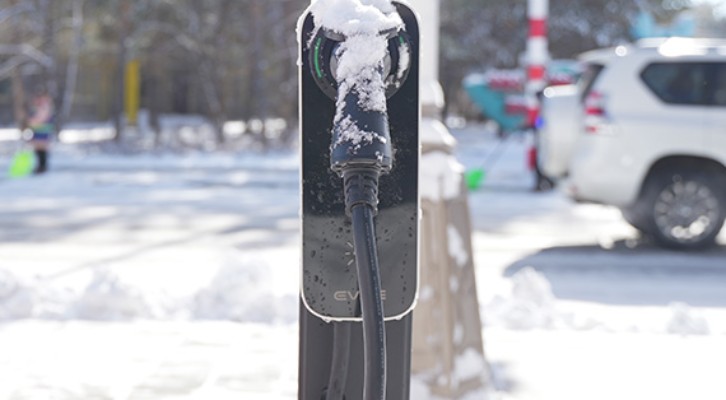
For businesses with fleets of Teslas, the TPU cable option is ideal, as it is highly durable and resistant to the effects of freezing temperatures. This ensures reliable charging performance, even in the harshest conditions.
Additionally, BESEN smart models provide additional features, such as Wi-Fi connectivity for remote monitoring and control. This can be particularly useful for fleet managers who need to track charging sessions across multiple vehicles. Smart chargers can help optimize charging times, ensure safety, and offer real-time feedback on energy usage.
Tesla Winter Charging FAQ
What Temperature Is Too Cold for a Tesla?
Tesla does not have an official minimum temperature for operation, but cold temperatures below freezing (32°F or 0°C) can affect battery performance. You may notice that the car’s range is reduced and it may take longer to charge. When the temperature drops to a level where the vehicle detects it is too cold to charge, a “snowflake” icon will appear on the display. This indicates that the battery is too cold for optimal operation.
While your Tesla will still function in these conditions, it’s important to note that the colder it gets, the more your vehicle’s energy efficiency will decrease. To mitigate this, ensure you precondition your vehicle and plan your charging sessions accordingly.
What Is Tesla’s Snow Mode? How Does It Help in Winter?
Tesla’s Snow Mode optimizes the vehicle’s handling and stability when driving in snowy or icy conditions. This mode adjusts the power distribution to the wheels and enables the vehicle to maintain better traction on slippery roads. If you live in an area that experiences heavy snowfall or freezing rain, enabling Snow Mode can reduce the risk of accidents and improve vehicle control.
It’s always recommended to drive cautiously in winter conditions, but activating Snow Mode can give you an extra layer of confidence in your Tesla’s performance on slick roads.
Why won’t your Tesla charge in winter?
When temperatures drop below freezing, your Tesla may not charge immediately. In cold weather, the battery needs to warm up to a specific temperature before it can accept a charge. If the battery is too cold, charging could be delayed, and you might notice the process takes longer than usual.
Tesla’s battery management system will activate a heater to warm the battery before charging begins. The time required for this warming process can vary depending on how cold it is, so it’s important to allow extra time for charging during the winter months.
If you encounter this issue frequently, consider adjusting your charging habits to allow more time for the vehicle to precondition the battery before it starts charging.
Conclusion
Winter driving with a Tesla can be a smooth and enjoyable experience when you take the necessary steps to ensure your vehicle performs optimally. By understanding how cold weather affects your Tesla’s battery and following these winter charging tips, you can maintain its efficiency, increase its range, and keep it ready for all the challenges winter may bring. With a little preparation and mindful driving, you can continue to enjoy the benefits of your Tesla, no matter how low the mercury drops.
READ ON:
How to Charge Electric Vehicle in Cold Weather?
What is Mode 3 Charging Cable?
EV Battery Longevity: How Long Can It Last?
Environmental Drive At The Swedish Stadium With BESEN EV Charging

