


Charging your Chevy Bolt EV may feel complicated at first, but it is simpler than you think. The challenge comes from different charging levels, speeds, and outlets, which can confuse new EV owners. The solution is understanding where and how to charge, so you feel confident no matter where you drive. Once you know your options, charging becomes just as easy as filling up a gas tank.
You can charge a Chevy Bolt EV at home using a regular outlet, a faster Level 2 charger, or on the go with public charging stations. Level 1 charging works overnight for light daily use. Level 2 chargers are best for daily convenience, adding about 25 miles per hour. On long trips, DC fast chargers add about 100 miles in 30 minutes. This flexibility means you can always find a way to keep your Bolt ready to go.
Charging your Chevy Bolt is about choosing the right method for your lifestyle. At home, slow charging works if you drive short distances. Faster home charging helps if you have longer commutes. Public chargers give freedom for travel. Once you know your options, you can enjoy your EV without worry.
Can you charge a Chevy Bolt with a regular outlet?
It may sound strange, but yes, you can plug your Bolt into a wall outlet. This is the simplest way, but it is also the slowest.
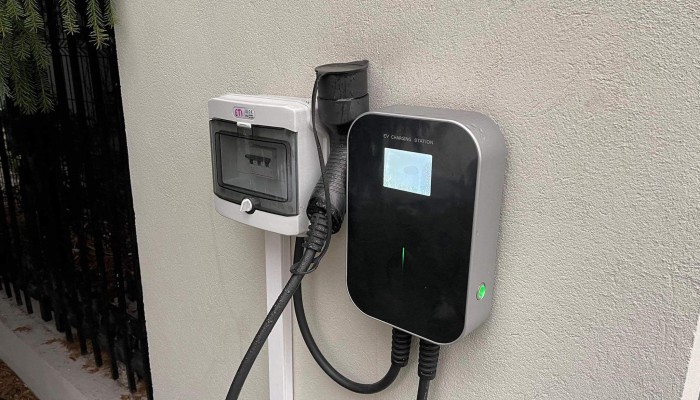
A Chevy Bolt can charge with a regular 120-volt household outlet, called Level 1 charging 1. This adds about 4 miles of range per hour. Overnight, you gain around 40 miles. It works best for short daily commutes or as a backup option.
While Level 1 charging is slow, it can cover basic needs. If you only drive 20–30 miles daily, plugging in each night keeps your battery full enough. The main drawback is long charging times. For example, a full charge can take more than two days. Many drivers use Level 1 when they first buy the car but soon upgrade to a faster Level 2 home charger.
What charging stations can a Chevy Bolt use?
With so many charging stations available, you might wonder which ones are right for your Bolt.
The Chevy Bolt uses J1772 plugs for Level 2 charging and CCS (Combined Charging System) connectors for DC fast charging. This means you can use most public charging stations in North America, including ChargePoint, EVgo, and Electrify America.
Most stations you see at malls or offices are Level 2. These add about 25 miles of range per hour. On highways, you will find DC fast chargers, which are much quicker. Tesla Superchargers are the exception. While some are opening to non-Tesla EVs, most are still closed. Always check apps like PlugShare or the Bolt’s navigation for compatible stations.
Is Level 3 charging bad for the Chevy Bolt?
Fast charging sounds great, but many drivers worry it might harm the battery.
Level 3, or DC fast charging, is safe for the Chevy Bolt when used in moderation. Frequent use may cause more battery wear over time, but occasional use, especially on road trips, is perfectly fine.
Your Bolt’s battery is designed to handle fast charging. However, constant high-power charging creates more heat, which slowly affects long-term health. GM recommends using Level 2 for daily charging and saving fast charging for travel. This balance keeps your battery healthy for years.
Can I charge a Chevy Bolt at a Tesla charging station?
Tesla chargers are everywhere, which makes this an important question.
You cannot use most Tesla Superchargers 2 with a Chevy Bolt, but you can use Tesla’s Level 2 destination chargers if you have an adapter. In the future, some Superchargers may open to other EVs, but access is limited now.
Tesla uses a different connector for its network. Only in some areas are Superchargers equipped with CCS adapters for non-Tesla EVs. Destination chargers, usually found at hotels, are easier to access with the right adapter. If you rely on Tesla stations, check before you travel.
How long does it take to charge a Chevy Bolt?
One of the most common concerns is how long charging will take.
Charging times vary. With Level 1, a full charge takes about 48 hours. With Level 2, it takes around 9–10 hours. DC fast charging can bring the battery from 0–80% in about 1 hour, adding 100 miles in 30 minutes.
| Charging Level | Voltage | Speed | Time for Full Charge |
| Level 1 | 120V | 4 miles/hour | ~48 hours |
| Level 2 | 240V | 25 miles/hour | 9–10 hours |
| Level 3 | 400V+ | 100 miles/30 min | ~1 hour |
These times vary with weather, battery size, and current charge. Still, most drivers find overnight Level 2 charging the easiest option.
How far can a Chevy Bolt go on a full charge?
Range is the key factor in EV ownership.
A Chevy Bolt can travel up to 259 miles on a full charge. Real-world range depends on driving style, terrain, and temperature. Cold weather or high speeds can reduce range.
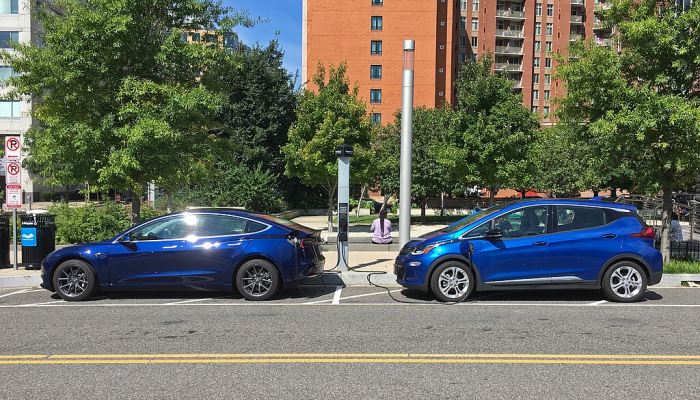
This range works well for most commutes and even longer trips. For example, 259 miles covers a week of short city drives without recharging. On highways, you can plan stops at DC fast chargers to go farther. Planning your trips with apps helps avoid range anxiety 3.
Why does the Chevy Bolt charge so slowly?
Some drivers are surprised by slow charging times, especially at home.
The Chevy Bolt charges slowly with Level 1 outlets because household wiring delivers limited power. Faster charging requires a 240-volt Level 2 charger or a public fast charger.
Level 1 is slow but useful for light driving. Installing a Level 2 charger at home is the best upgrade. It cuts charging time from two days to overnight. Slow charging also protects the battery by generating less heat. You can use both slow and fast methods depending on your needs.
Should I charge my Chevy Bolt every night?
Many new EV owners ask if plugging in daily is necessary.
You do not need to charge your Chevy Bolt every night unless you drive long distances daily. Most owners plug in every few days, but daily charging is safe and keeps the battery ready.
The Bolt’s battery has protections to avoid overcharging. Plugging in each night gives peace of mind. However, if your daily drive is short, you can wait until you reach 30–40% before charging again. Charging habits 4 depend on your driving style and convenience.
How to maximize battery life on a Chevy Bolt?
Battery health is the most important long-term concern.
You can extend battery life by avoiding constant DC fast charging, keeping charge levels between 20% and 80% when possible, and parking in cooler areas.
| Tip | Why it Helps |
| Use Level 2 daily | Less heat, steady charging |
| Avoid full 100% often | Reduces stress on cells |
| Limit fast charging | Slows battery wear |
| Keep battery cool | Heat is the biggest enemy |
With good habits, the Bolt battery can last well over 150,000 miles. GM also provides an 8-year warranty, giving peace of mind.
Can I leave my Chevy Bolt plugged in overnight?
The last concern many have is safety.
Yes, you can safely leave your Chevy Bolt plugged in overnight. The car’s system stops charging when full, so there is no risk of overcharging or damage.
Overnight charging is the easiest way to keep your EV ready. Most owners install a Level 2 charger in the garage for this reason. The system manages charging, so you can plug in and forget about it. This is one of the biggest conveniences of owning an EV compared to gas cars.
Conclusion
Charging a Chevy Bolt EV is easy once you know your options. You can use a wall outlet, install a faster home charger, or stop at public charging stations when traveling. DC fast charging is best for road trips, while Level 2 covers most daily needs. By learning good charging habits, you can extend battery life and enjoy worry-free driving. The Chevy Bolt gives you freedom to charge almost anywhere with flexibility that fits your lifestyle.
- Find out when Level 1 charging is suitable for your needs and how it can be a backup option.[↩]
- Learn about the accessibility of Tesla Superchargers for non-Tesla EVs and how to plan your charging.[↩]
- Understand range anxiety and discover strategies to manage it while driving an electric vehicle.[↩]
- Learn about effective charging habits to maintain your EV’s battery health and performance.[↩]

