


You depend on your EV cable every day, and losing it to theft can be frustrating and expensive. As EVs become more common, so do reports of stolen charging cables. Many are surprised at how easy it is for thieves to unplug and walk away—especially when cables aren’t locked or secured properly.
You can prevent EV charging cable theft by locking the cable to the car or charger, using alarmed anti-theft devices, or charging in secure, visible areas. Homeowners should install wall-mounted chargers with locks or keep portable chargers inside when not in use. Public charging users should stay nearby while charging, avoid leaving cables overnight, and look for chargers that lock the cable in place.
You probably don’t think about your EV cable after you plug it in—but that’s exactly when you should. Most thefts happen because the owner assumes their setup is safe. That assumption can be costly. Understanding how and why thefts happen helps you stay one step ahead.
Can EV charging cables be stolen?
You might think these cables are safe since they’re part of an EV—but they aren’t.
Yes, EV charging cables can be stolen, especially when not locked in place. Thieves target both portable home chargers and public charging station cables. In some cases, they steal them for the copper inside.

EV cables are usually easy to detach once charging is finished. Many EVs release the cable automatically when charging stops. Portable chargers at home are also easy to unplug and take unless secured. Some thieves are after copper wire, others resell cables online. Either way, you lose a valuable tool.
Why is EV charging cable theft increasing?
You didn’t hear about this much a few years ago—so what changed?
Cable theft is increasing because of more EVs on the road, rising copper prices 1, and the resale value of used chargers. Many charging setups are still unsecured, making theft easy and low-risk.
Here’s why this trend is growing:
| Reason | What’s Happening |
| More EVs | More opportunities for theft in neighborhoods and cities |
| Copper value rising | Thieves target cables for the copper inside |
| Online resale | Stolen cables are sold on used goods marketplaces |
| Weak security | Some EVs and chargers don’t lock cables after charging |
It’s not just about stealing gear—it’s about easy profits and low risk. The easier it is to unplug your cable, the more likely someone will try.
Is EV charging cable theft happening everywhere?
You might think this is a local issue, but that’s not always the case.
EV cable theft is happening across the world, especially in countries with more electric vehicles. Cities with street charging points, like London or Amsterdam, report higher theft rates.
Urban areas are the most affected. Higher EV density and more street parking mean more accessible cables. Reports in the UK and the Netherlands show cables being stolen overnight, sometimes right outside people’s homes. Even in the U.S., cable theft has started to show up in cities with rising EV adoption.
How to prevent EV charging cable theft (home vs public)?
Protecting your cable depends on where you charge—but in public, operators must take the lead.
At home, use a wall-mounted charger with a lock or bring portable cables inside. In public, theft prevention relies on parking operators who must provide secure, well-lit charging stations with locked connectors and active surveillance. Avoid isolated or unmonitored chargers.
At home, you’re in control. Lock the charger, use cameras, and store cables indoors.
In public, look for charging stations where the operator provides:
- Locking connectors
- CCTV or visible security 2
- Bright lighting and visible placement
- Tethered, tamper-resistant cables
If a charger feels unsafe, don’t use it. Choose locations where theft prevention is clearly a priority.
What stops someone unplugging your electric car?
You might wonder if anyone can just walk up and pull the plug.
Some EVs and chargers automatically lock the cable 3 during charging. Others don’t, or they unlock when the charge is done. That’s when theft is most likely to happen.
For example, Tesla locks the cable during active charging. Some BMW and Nissan models do this too. But once charging is done, many EVs release the cable unless you change settings. You’ll need to check your EV’s options to see if there’s a way to keep the cable locked even when the car is full.
Do EV charging cables lock in place?
Not all setups protect your cable the same way.
Many EVs lock the cable in place during charging, but not all continue to lock afterward. Some chargers also have locks built into the station or cable head.
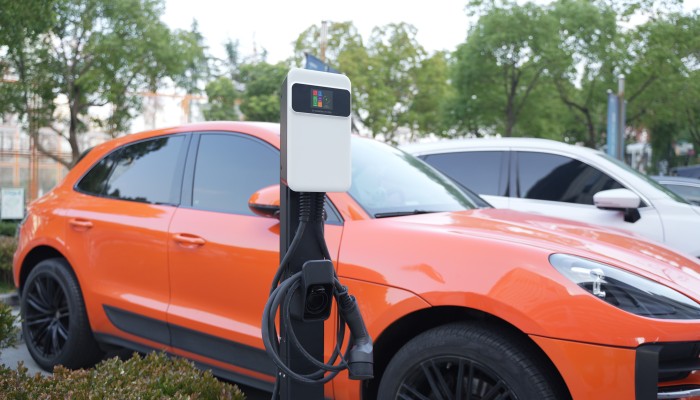
If you use a home wall charger, you may have a locking feature—either digital or physical. Tethered chargers (where the cable is attached) are harder to steal, but they can still be cut. Portable cables, on the other hand, often have no locking at all unless you add one manually.
Are there any anti-theft devices or services for EV cables?
If theft is a growing problem, what tools exist to stop it?
Yes, there are several anti-theft devices like cable locks, alarmed clips, and lockable wall-mounted chargers. You can also use GPS trackers on portable chargers to recover them if stolen.
Here are the most effective tools:
- Cable lock clips: Attach to the charging connector to prevent removal
- Alarmed cable loops: Sound an alert if the cable is moved or unplugged
- Lockable wall chargers: Make it hard to remove or tamper with the charger
- Portable lock boxes: Let you lock your portable charger inside a secured container
- GPS tags: Help locate stolen gear if it’s taken away
These tools are small investments that can save you from much bigger losses.
What are the penalties for stealing an EV charging cable?
Is the law catching up to this new type of crime?
Penalties for cable theft vary by country but usually include fines, community service, or jail time. In some places, stealing copper 4 or damaging public infrastructure makes the penalty more serious.
For example, in the UK, theft of a cable can result in up to several months in prison. In the U.S., charges depend on the value of the cable and the method of theft. If a thief damages public charging infrastructure, they may face more serious charges. Still, many crimes go unpunished due to low reporting or lack of evidence.
Is EV cable theft covered by car insurance?
You hope it never happens—but if it does, can you claim it?
Some comprehensive car insurance plans cover cable theft, especially if the cable came with the car. Others may not, and portable chargers may fall under home insurance instead.
Coverage depends on how your insurer classifies the cable. Some treat it as part of the vehicle, others see it as an accessory. If the cable is stolen from your driveway, home insurance might help—but only if it’s included in your policy. Always check your coverage and document your charger with photos and receipts.
Conclusion
EV charging cable theft is becoming more common, but it’s not hard to protect yourself. Lock your cable, secure your charger, and charge in visible areas. Whether you charge at home or in public, a few small changes can keep your EV cable safe and save you the cost and hassle of replacing it.
READ ON:
What is a Type 2 charging cable for electric cars?
Do All Electric Cars Use the Same Charging Cable?
Which EV Charging Cable Do You Need?
EV Battery Longevity: How Long Can It Last?
Installing Home EV Charger Solution: A Step-by-Step Guide
Power On The Go: What is Portable Electric Car Chargers?
How To Source Suitable EV Charging Cable?
- Understand the connection between rising copper prices and the increase in EV charging cable theft.[↩]
- Understand the role of surveillance in preventing EV charging cable theft at public stations.[↩]
- Learn about locking mechanisms that can secure your EV charging cable and deter thieves.[↩]
- Exploring the legal consequences of stealing copper can provide insights into the seriousness of such crimes and their impact on communities.[↩]

