


Electric vehicles (EVs) and hybrid cars have taken the automotive industry by storm, each offering unique benefits and challenges. As businesses and EV owners contemplate the best choice for their needs, the decision boils down to various factors such as cost, efficiency, environmental impact, and convenience. In this article, we’ll dive into a detailed comparison of EVs and hybrid cars to help you make an informed decision.
Hybrids and plug-in hybrids are generally a better choice if you don’t want to plan trip routes in detail. EVs are a better choice if you have a lot of charging stations in your area, want to completely get rid of gas costs, or have an eye on reducing your carbon footprint as much as you’re able.
What is EV & What is Hybrid?
The primary difference between EVs and hybrids lies in their power sources. EVs are 100% electric, relying solely on rechargeable batteries that can be charged via external electric power sources. They produce zero tailpipe emissions and are generally quieter and smoother to drive.
Hybrids utilize a combination of gasoline and electric power, which allows them to run on fuel when the battery is depleted or in situations where more power is required. This dual capability often results in better range and convenience, especially in areas with limited charging infrastructure.
What are the Components of a Hybrid or Electric Vehicle?
Hybrid and electric cars are all about blending smart technology with eco-friendly features. They’re built with some special components that help them run cleaner and more efficiently. Here’s a brief table of their key parts:
| Hybrid Cars | Electric Cars |
| Internal Combustion Engine (ICE) | Electric Motor |
| Electric Motor | Battery Pack |
| Battery Pack | Onboard Charger |
| Transmission | Inverter |
| Power Control Unit | Charging Port |
| Regenerative Braking | Thermal Management System |
How do Hybrid Electric Cars Work?
Hybrid electric cars are pretty clever machines that blend a traditional gas engine with an electric motor to make driving more efficient and eco-friendly. They can switch between using gas and electric power, or even use both at the same time, depending on what’s needed. For instance, when you’re cruising around town, the car might run mostly on electric power, which is quieter and cheaper. When you need more oomph, like on the highway, the gas engine kicks in.
They also have a cool feature called regenerative braking, which captures energy when you brake and stores it in the battery, so it’s ready to help power the car later. This mix of gas and electric power gives you better fuel efficiency and fewer emissions without sacrificing performance.
Is it Better to Have a Hybrid or Electric Car?
When it comes to performance, electric vehicles have a clear advantage over both gas-powered and hybrid cars. They are known for their quick acceleration and instant torque, which means they can beat gas and hybrid cars off the line in nearly every match-up. This performance edge is due to the fact that electric motors provide full torque from a standstill, unlike internal combustion engines that need to build up power.
EVs are also more fuel-efficient compared to hybrids. Electric cars convert over 77% of the electrical energy from the grid to power at the wheels, while conventional gasoline vehicles only convert about 12%–30% of the energy stored in gasoline. This means that electric cars can travel farther with the same amount of energy.
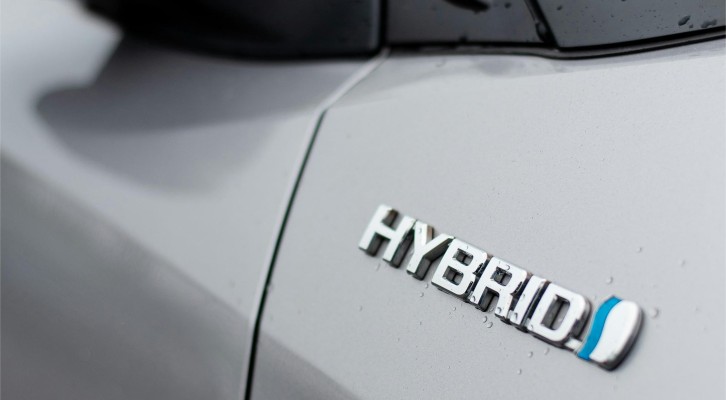
However, hybrid vehicles can still be performance-oriented. Some hybrid models are designed to offer similar levels of performance as their gasoline counterparts, and they achieve higher fuel-efficiency ratings. For example, the Toyota Prius, a well-known hybrid, is not just fuel-efficient but also offers a smooth and quiet ride, making it a popular choice for those looking to balance performance and efficiency.
Which is More Efficient: EV or hybrid?
Efficiency can be measured in several ways, including fuel economy, energy use, and overall cost-effectiveness. EVs are becoming increasingly efficient as battery technology advances, offering longer ranges and faster charging times. They convert energy more efficiently than hybrids because they rely solely on electric power. Hybrids, however, offer versatility with both electric and gasoline engines, making them more suitable for regions with limited charging infrastructure. For daily commutes and urban driving, hybrids typically use electric power, switching to gasoline for longer trips, offering a balanced approach to efficiency.
Are EVs Better for the Environment than Hybrids?
The environmental impact of EVs and hybrids can vary depending on several factors, including the source of electricity and the lifecycle emissions of the vehicles. EVs produce zero tailpipe emissions, significantly reducing local air pollution. Over their lifetime, they generally produce fewer greenhouse gases compared to hybrids, especially if the electricity is sourced from renewable energy. Hybrids still rely partly on fossil fuels, which means they emit some CO2. However, they are a step towards reducing emissions compared to traditional gasoline vehicles.
EV vs Hybrid Cost: What to Expect?
The cost of ownership is a crucial factor when deciding between an EV and a hybrid. EVs often have a higher purchase price but can be cheaper in the long run due to lower fuel and maintenance costs. They also benefit from various incentives and rebates that can offset the initial cost. Hybrids, while generally cheaper upfront, may not offer the same level of long-term savings, especially if gasoline prices rise. However, they do provide a good balance for those looking for efficiency without the full commitment to electric power.
Is Hybrid or Electric Better for Long Distances?
When it comes to long-distance travel, hybrids generally have an advantage over electric vehicles. The combination of a gasoline engine and an electric motor allows hybrids to travel greater distances without the need for frequent refueling or recharging. This makes them particularly convenient for road trips or travel in rural areas where charging infrastructure may be sparse.
EVs, while improving in range, still require careful planning for longer journeys. Although rapid charging networks are expanding, they may not be as ubiquitous as gas stations, making it necessary for EV owners to plan routes around available charging points. However, for those who do not mind these considerations and want to embrace a fully electric experience, EVs can still be a viable option for long-distance travel with the right preparation.
Hybrid vs Electric Cars: Pros and Cons
Pros of EVs:
- Zero emissions during operation
- Lower maintenance costs (no oil changes, fewer moving parts)
- Potential savings on fuel costs
- Incentives and rebates available in many regions
Cons of EVs:
- Higher upfront costs
- Limited range compared to gasoline engines
- Charging infrastructure may be sparse in some areas
- Longer “refueling” time compared to gasoline
Pros of Hybrids:
- Lower upfront costs compared to EVs
- Greater range flexibility (use gasoline when needed)
- Familiar driving experience with gasoline engines
- Can be a good transitional option for those not ready for full EVs
Cons of Hybrids:
- Still produce emissions, though less than traditional vehicles
- More complex drivetrain (both electric and gasoline systems)
- Potentially higher maintenance costs than pure EVs due to more components
Who Will Benefit Most from EVs?
EVs present significant advantages for various sectors. Public transport services can cut down on fuel costs and emissions, offering a cleaner alternative for urban commuting. Power companies stand to benefit from increased electricity demand, which could be met through renewable sources. Additionally, delivery and logistics services can enjoy reduced fuel costs and lower maintenance, making EVs an attractive option for fleet management.
Battery manufacturers and the renewable energy sector are benefiting big time as more and more people need reliable energy storage solutions. Plus, as EV ownership goes up, EV charging station companies are set to really take off, thanks to the growing need for quick and easy charging options.
Top Picks in Hybrid and Electric Cars
Hybrid Cars
Here are some hybrid vehicles you might see zipping around town:
- Toyota Prius – The Prius is pretty much the face of hybrid cars. Super reliable and incredibly fuel-efficient, it’s perfect for anyone looking to save on gas and make fewer pit stops.
- Honda Accord Hybrid – If you’re all about a smooth drive and a roomy cabin, this car ticks all the boxes. Plus, it’s sleek and not too heavy on the wallet.
- Hyundai Ioniq Hybrid – A solid choice for budget-conscious folks, the Ioniq doesn’t skimp on performance and will keep you passing by those gas stations with a smile.
Electric Cars (EVs)
Here’s a lineup of some cool models that are all about that electric life:
- Tesla Model 3 – The star of electric cars, the Model 3 is fast, fun, and has tech that feels like tomorrow. Long drives? No problem. It’s got the range to back it up.
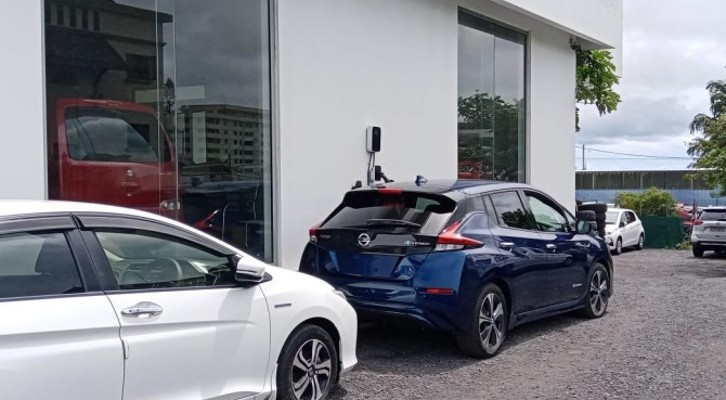
- Nissan Leaf – The Leaf’s been around the block and then some. It’s a great entry-level EV if you’re looking to ditch the pump without breaking the bank.
- Chevrolet Bolt EV – Small but mighty, the Bolt packs a punch with its range and roomy interior, all in a compact package that’s city-friendly.
So, Which One Wins?
Deciding the “winner” between EVs and hybrids depends on your priorities and circumstances. If you’re looking to minimize environmental impact and have access to charging stations, an EV is a great choice. It offers a clean, quiet, and efficient driving experience. However, if flexibility and convenience are more important, especially for longer trips or in regions lacking robust charging networks, a hybrid might be the better option. Hybrids offer the best of both worlds, providing the efficiency of electric driving with the reliability of a gasoline engine.
READ ON:
How Much Do You Know About the History of Electric Vehicles?
Electric Cars vs. Gas Cars: A Comparison Guide
The Cost of Charging Electric Cars: A Comprehensive Breakdown
Green Charging Revolution: Achieving Sustainable EV Charging Infrastructure

