


Electric vehicles are growing in popularity, but their biggest long-term cost still causes concern: battery replacement. For many, the idea of a five-figure repair bill can be overwhelming.
EV battery replacement typically costs between $5,000 and $20,000 depending on vehicle model, battery size, and whether the battery is new or refurbished.
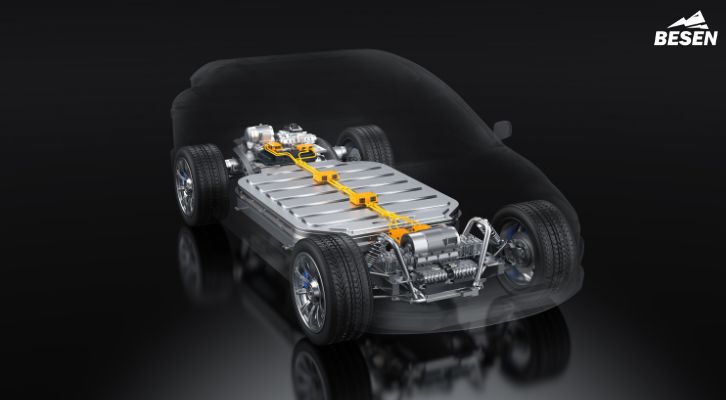
Even though modern EV batteries 1 are built to last more than a decade, replacement can still become necessary. When it does, many drivers are surprised by the wide price range. To better understand why these costs vary and how you might reduce them, let’s take a closer look.
Why Are EV Battery Replacements So Expensive?
Many people don’t realize that the battery is the most expensive part of an electric car. It’s like replacing an engine and fuel tank all at once.
EV battery replacements are expensive because they involve large, high-voltage components, labor-intensive installation, and specialized tools and training.
Let’s look deeper at what drives up this cost:
Battery Size (kWh) Dictates the Base Cost
| EV Model | Battery Size (kWh) | Estimated Replacement Cost (USD) |
|---|---|---|
| Nissan Leaf | 24–62 | $5,500–$15,000 |
| Chevy Volt | 17.1 | $3,000–$8,500 |
| Tesla Model 3 | 50–82 | $10,000–$16,000 |
| Toyota Prius Hybrid | ~1.3 | $2,500–$3,000 |
| Ford F-150 Lightning | 98–131 | $15,000–$25,000 |
Labor and Complexity Add More to the Total
It’s not just the battery itself. Installation can add thousands, especially for vehicles like Tesla, which require high-voltage safety procedures and advanced diagnostics. For example, labor on a Tesla Model 3 battery swap can exceed $2,000.
You’re also paying for tools, testing, and time. EV batteries can weigh hundreds of kilograms and are often mounted in hard-to-access areas. This makes the job more time-consuming than swapping a traditional gas tank.
Can You Reduce the Battery Replacement Cost?
If your EV is out of warranty, options still exist. The replacement doesn’t always have to break the bank.
Used or refurbished batteries, warranty coverage, and third-party repair shops can significantly lower the cost of EV battery replacement.
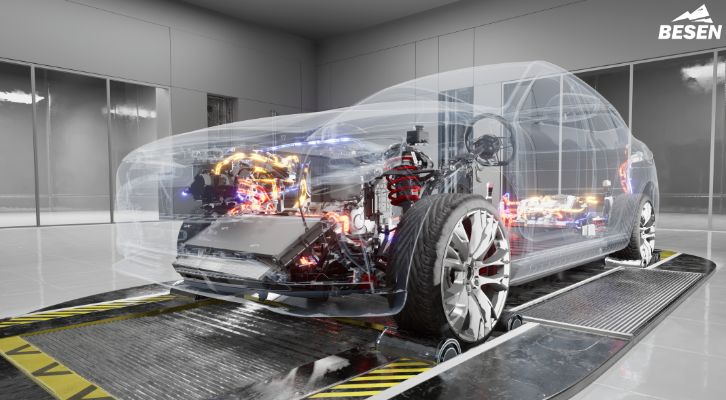
Exploring Cheaper Options and Strategies
Used batteries from scrapped vehicles 3 can cut costs by half or more. Refurbished packs are often available for cars like the Chevy Volt or Nissan Leaf through online marketplaces or EV-specialized garages. These options often include shorter warranties, but for aging vehicles, they may be the most practical solution.
Third-party EV repair shops are growing in number, especially in regions where EV adoption is high. These businesses offer competitive pricing and often specialize in specific brands.
Always check whether your vehicle is still under battery warranty. Most EVs come with an 8-year warranty (or around 100,000 miles), and in some regions, battery replacements may be partially covered by government regulations or insurance programs.
Is EV Battery Replacement Becoming More Affordable?
Technology keeps changing. So do battery prices. While replacements are expensive now, the future may look very different.
Battery replacement costs are expected to drop over the next 5–10 years thanks to cheaper materials, better design, and global EV adoption.
Why Prices Will Go Down Over Time
There are three reasons EV battery replacements are likely to become more affordable:
-
Battery Technology Advances: New chemistries, like lithium iron phosphate (LFP), offer cheaper, longer-lasting alternatives to older battery types.
-
Scale and Standardization: As more EVs hit the market, manufacturers can produce batteries more efficiently and use interchangeable formats across models.
-
Recycling and Reuse: Better battery recycling means fewer raw materials are wasted, and more refurbished units can be reintroduced to the market.
As a manufacturer in the EV space, I’ve seen firsthand how costs have shifted. Even five years ago, prices were higher and supply was tighter. Now, we are customizing AC chargers for clients across Europe and South America—and we’re seeing growing demand for products that integrate with second-life batteries. That’s a good sign.
Conclusion
EV battery replacement can cost between $5,000 and $20,000 today, but smarter choices and advancing technology are making it easier to manage.
READ ON:
EV Battery Longevity: How Long Can It Last?
What is the difference between home charging and public charging?
Tesla Charging Time: How Long does It Really Take? (2025)
The Cost of Charging Electric Cars: A Comprehensive Breakdown
How Many Amps Is A Level 2 EV Charger?
- Understanding the factors influencing EV battery costs can help you make informed decisions and potentially save money.[↩]
- Exploring how energy storage impacts pricing can provide insights into the economics of electric vehicles.[↩]
- Explore this link to understand how used batteries can significantly reduce costs and their environmental benefits.[↩]

