


Why Should Condos Install EV Charging Stations?
The rise in electric vehicle (EV) ownership is driving a significant need for accessible charging solutions in residential areas. For condos, installing EV charging stations is becoming not just a perk but a necessity. With more residents purchasing EVs, providing charging stations can meet the growing demand and prevent potential dissatisfaction. Some regions are beginning to mandate EV charging infrastructure in new developments, so staying ahead of these requirements can save future costs and complications. Offering EV charging stations aligns with global sustainability goals and showcases the property’s commitment to reducing carbon footprints.
How to Get Started? 6 Easy Steps (6)
-
Assess the Need
1️⃣Start by finding out how many residents or tenants are interested in EV charging. Conduct a quick survey to see how many people already own or plan to buy EVs.
-
Check the Electricity
2️⃣Make sure your condo’s electrical system is ready for EV charging to avoid potential power issues down the road. It’s a key step for smooth and safe charging.
-
Get the Permits
3️⃣Check with your local authorities to see what permits are required. Make sure you get all the necessary approvals to avoid any legal hassles down the road.
-
Hire a Professional
4️⃣Bring in a certified electrician to handle the installation. This ensures everything is up to code and safe to use. A pro will get it done right the first time.
-
Choose the Charger
5️⃣Level 2 EV chargers are ideal for condos. They’re safe, reliable, and allow residents to charge overnight so their cars are ready to go in the morning.
-
Activate and Test
6️⃣Once the chargers are installed, make sure to test them thoroughly. This ensures everything is working perfectly and safely. Regular checks will keep the system running smoothly.
Types of Charging Stations for Your Condominiums
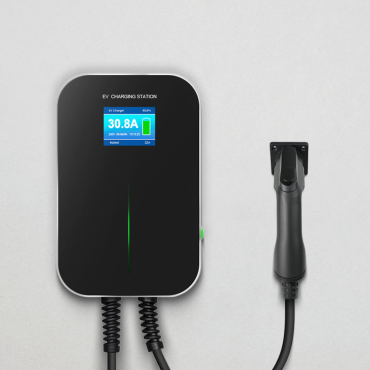
Maximum Output Power: 22kw
Connector Type: SAE J1772/ IEC621962
Versions: Plug & Play / App / Rfid / Dynamic Load Balancing / OCPP
Key Features: smart, easy to install, LCD screen
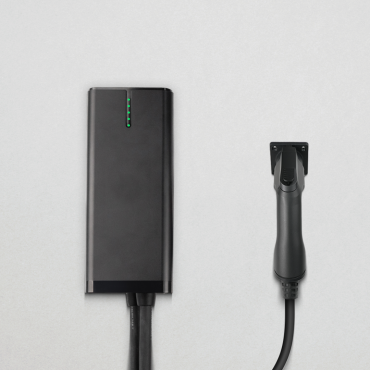
Maximum Output Power: 22kW
Connector Type: SAE J1772/ IEC621962
Versions: Plug & Play / App / Rfid
Key Features: safe, easy to use, LED indicator
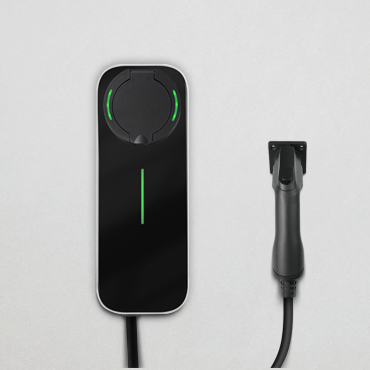
Maximum Output Power: 22kW
Connector Type: SAE J1772/ IEC621962
Version: Plug & Play / App / Rfid
Key Features: integrated socket, LED indicator
EV Charging Stations for Condos: A Convenient Way to Live
EMPOWERING LIVING AREA
Benefits of Condo EV Charger Installation
✅Boost Your Property’s Worth
✅Revenue Opportunities
✅Attracting Eco-Conscious Residents
✅Supporting Green Initiatives
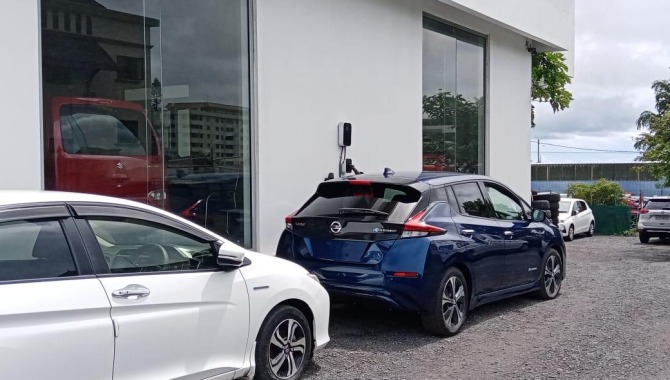

OEM AND ODM SERVICES
Custom Solutions for Condos
BESEN offers personalized OEM and ODM charging solutions tailored for your condo. You can add your condo’s logo or name on the charger, customize the charger’s color, and adjust the output power from 3.6kW to 22kW. For smart charging options, you can choose between OCPP or a dedicated app, ensuring your charging station meets all your needs.
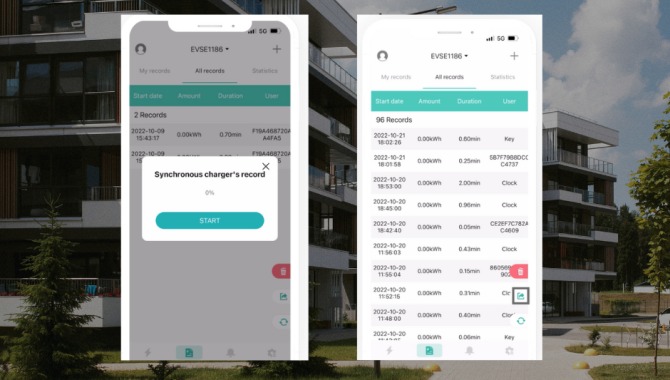
DOWNLOAD CHARGING DATA
Track the Electricity
With the BESEN EVSEMaster APP, you can securely manage access to charging stations, ensuring only authorized users can charge. Your tenants can:
- Monitor their energy consumption in real-time.
- Download detailed reports.
This feature helps them track and manage their charging activities efficiently. Plus, it allows you to easily bill based on actual energy usage, ensuring accurate and fair charges.
Why Choose BESEN for Condo Buildings?


The cost can vary, but generally, a Level 2 charger costs between $300 and $1500 for the unit itself. Installation costs can range from $500 to $2,000 depending on how complicated the electrical work is. Factors like how far the charger is from the electrical panel and any necessary upgrades to your building’s electrical system can affect the total price. It’s a good idea to get quotes from a few electricians to get a better idea of the costs.
There are plenty of grants and rebates to help with the cost of installing EV chargers. These can come from federal, state, or local governments, and sometimes even from utility companies. For example, some states offer rebates that can cover a big chunk of the installation costs, and some utility companies have incentives for installing energy-efficient equipment. Check with your local government and utility provider to find out what’s available in your area.
Charging an electric car in a condo is pretty straightforward if there’s a charging station available. Just park in the designated spot and plug in. If your condo doesn’t have a charging station, you’ll need to work with your HOA or property manager to get one installed. Once it’s set up, you can usually monitor and control your charging sessions with a mobile app, making it easy to keep your car charged and ready to go.
You can bill residents with a flat rate, pay-per-use, or subscription plan—whatever fits best. Check with your utility company for any discounts or special rates. Use an EV charging management system to make billing and payments hassle-free. Make sure to clearly explain the costs to residents so everyone’s on the same page. And don’t forget to review and adjust rates regularly to keep things fair and aligned with electricity costs.
Getting the okay from your condo board or HOA can be a bit tricky, but it’s definitely doable. Start by talking to residents to see if there’s interest in EV charging stations. This helps show that there’s demand. Then, put together a proposal for the board that highlights the benefits, like increased property value and attracting eco-friendly residents. Make sure to mention any local incentives or regulations that support installing EV infrastructure. Clear communication and a well-prepared case can make all the difference in getting approval.
For most condos, Level 2 charging is the way to go. It’s a good balance between cost and charging speed, adding about 20-30 miles of range per hour, which is perfect for overnight charging. Level 3 chargers, or DC fast chargers, are much more expensive and require significant electrical upgrades. They charge cars much faster but are usually better suited for commercial or public charging stations where quick turnaround is needed.