


Most people like the idea of electric cars—until they see the bill at a public charger. Why is it so expensive?
Charging an electric car at a public station usually costs between $0.30 and $0.60 per kWh, depending on charger speed, location, and provider. A full charge typically runs $12 to $24.
It’s no surprise more EV drivers are thinking carefully about where they plug in. Public charging costs 1 vary a lot by country, charger type, and operator. For everyday drivers and business owners alike, these differences can have a big impact on running costs 2. Let’s look deeper into what you’re really paying for—and why.
How much does it cost to charge an electric car at a local charging station?
When you drive to a nearby charging station, do you know what you’re paying per minute—or per kilowatt?
At a local public charging station, EV drivers pay around $0.30 to $0.60 per kWh, with Level 2 chargers on the lower end and fast chargers on the higher end.
In my experience, pricing depends on how the operator charges: per kWh 3, per minute, or a flat session fee. Per kWh pricing is most common in places where it’s legal. If you’re charging a 40 kWh 4 battery at $0.40/kWh, that’s about $16 for a full charge. That might get you 150–200 miles of range, depending on the car.
Here’s a breakdown:
| Charger Type | Speed | Cost (per kWh) | Estimated Full Charge (40 kWh) |
|---|---|---|---|
| Level 2 | 7–11 kW | $0.30–$0.40 | $12–$16 |
| DC Fast | 50–350 kW | $0.40–$0.60 | $16–$24 |
Some stations charge idle fees too—so don’t leave your car plugged in longer than needed.
How much does it cost to charge an electric car at Tesco?
Supermarkets like Tesco often offer charging—but the cost varies even across branches. Is it really a free perk?
At many Tesco stores in the UK, EV charging is no longer free. Prices start around £0.44 per kWh for standard chargers, with higher rates for faster charging.

I remember when some Tesco locations offered free charging, which was great for early EV adopters. But today, most stores have moved to pay-per-use models. Tesco partners with Pod Point in many locations. As of now, Pod Point typically charges:
| Charger Type | Power Rating | Cost (per kWh) | Notes |
|---|---|---|---|
| 7 kW (standard) | Level 2 | £0.44 | Often free for 30 mins |
| 22 kW (fast) | Level 2+ | £0.49 | Available in select locations |
| 50 kW+ (rapid) | DC Fast | £0.74+ | Highest price, fastest charge |
Always check the app before plugging in. Some locations give you free minutes with a minimum purchase in-store, but this varies.
How long does it take to fully charge an EV at a public charging station?
We all want to save time—but charging isn’t one-size-fits-all. So how long should you plan for?
Charging an electric car at a public station can take 30 minutes to 12 hours depending on charger type. DC fast chargers refill 80% in 30–45 minutes, Level 2 chargers need 4–12 hours.
I once made the mistake of expecting a full charge in 30 minutes—at a Level 2 charger. That day ended in a coffee-fueled wait. To avoid that, here’s what you need to know:
| Charger Type | Power | Time for Full Charge (40 kWh) |
|---|---|---|
| Level 1 | 1.4 kW (120V) | 30+ hours |
| Level 2 | 7–11 kW (240V) | 4–8 hours |
| DC Fast | 50–350 kW | 30–60 minutes (up to 80%) |
Time also depends on battery size and vehicle limits. Most EVs limit the charge rate to protect the battery, so even at a 150 kW charger, your EV might not charge that fast. Plus, charging slows down after 80%.
How many times can you charge an electric car?
EV batteries don’t last forever. But how many full charges can you get before performance drops?
Most electric vehicle batteries can handle around 1,000 full charge cycles before noticeable capacity loss—equal to 150,000 to 300,000 miles for most drivers.
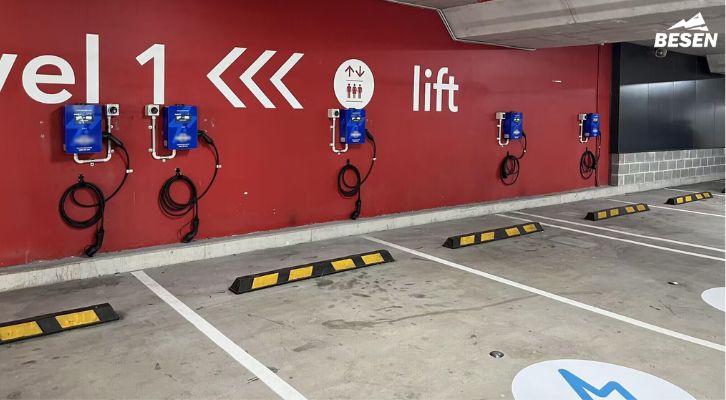
I’ve spoken with drivers whose EVs crossed 200,000 miles and still kept over 80% battery health. Battery management systems protect against deep discharges and overheating, which helps extend life. Here’s what affects battery lifespan:
| Factor | Impact on Lifespan |
|---|---|
| Charging frequency | Frequent full charges can shorten life |
| Charger type (Level 2/DC Fast) | DC fast charging creates more heat |
| Climate (hot/cold) | Extreme temps stress batteries |
| State of charge habits | Keeping battery between 20%-80% helps |
So while you can charge an EV every day, smart charging habits extend battery life—and save money in the long run.
How far can an electric car go on one charge?
This is the question everyone asks first. Can you really take a road trip—or are EVs still city cars?
Most electric cars today can go between 150 and 350 miles on a single charge, depending on battery size, model, and driving style.
I took a 280-mile trip last fall in a mid-range EV with a 64 kWh battery. I drove normally, didn’t use AC much, and made it with about 20 miles left. Range depends a lot on your driving. Here’s a general guide:
| Battery Size | Range Estimate | Sample Vehicle Types |
|---|---|---|
| 40 kWh | 150–180 miles | Nissan Leaf, older EVs |
| 60–70 kWh | 220–300 miles | Hyundai Kona, VW ID.4, Kia Niro |
| 80–100 kWh | 300–370 miles | Tesla Model S, Rivian R1T |
Highway speeds, hills, weather, and even tire pressure can shrink range. Still, for most daily drivers, range anxiety is becoming a thing of the past.
Conclusion
Public EV charging costs vary, but smart charging choices save time and money while keeping your battery in good health.
- Understanding the factors influencing public charging costs can help EV drivers make informed decisions and save money.[↩]
- Exploring the comparison of running costs can provide valuable insights for potential EV buyers and current owners.[↩]
- Understanding per kWh pricing can help you make informed decisions about EV charging costs and savings.[↩]
- Exploring the range of a 40 kWh battery can provide insights into EV performance and efficiency.[↩]

